
 Emissions calculator


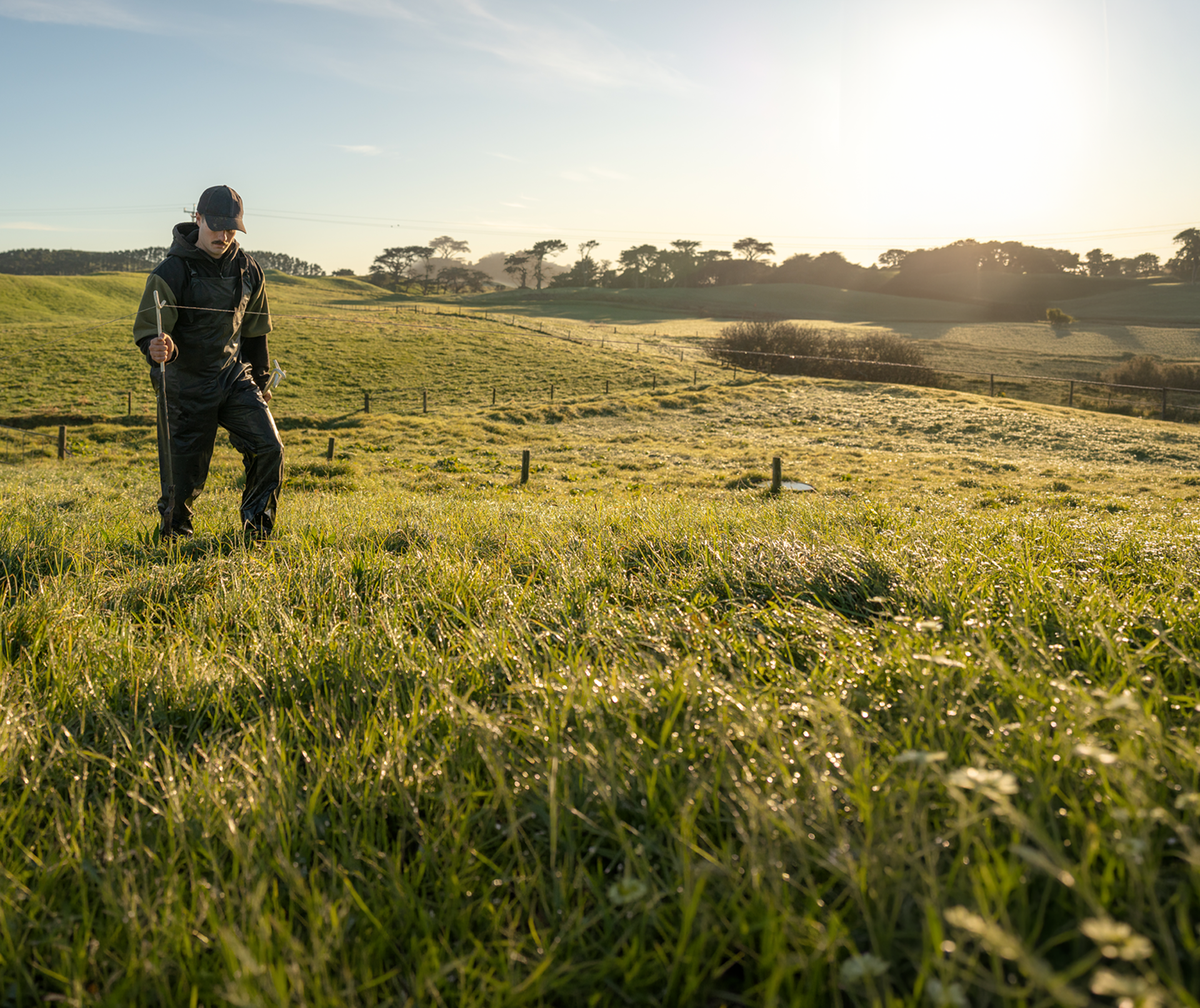
Future-ready low emissions farming
Explore real Kiwi farm stories, practical actions and science-backed information to help farmers and rural professionals build resilient, productive farm businesses.
What type of farmer are you?
- All farms
- Sheep & Beef
- Dairy
- Cropping and horticulture
Take action
Stocking rate and performance
Small changes to stocking rates, feed use and animal performance can improve efficiency while maintaining productivity. On some farms, fine-tuning the farm system can reduce greenhouse gas emissions by up to 10%.
Take action
Trees and vegetation
Planting trees or restoring native vegetation can deliver a range of on-farm benefits, from shelter and erosion control to biodiversity and carbon storage. For some farmers, the Emissions Trading Scheme (ETS) may also provide an additional income stream, although the process can be complex.
Take action
Nitrogen fertiliser
For some farms, reducing nitrogen use or applying it more strategically can lower nitrous oxide emissions and reduce costs without significantly affecting production. The right approach will depend on your soils, climate and farm system.
Take action
Stocking rate and performance
Small changes to stocking rates, feed use and animal performance can improve efficiency while maintaining productivity. On some farms, fine-tuning the farm system can reduce greenhouse gas emissions by up to 10%.
Take action
Low-emission feeds
Research is showing that feed choices may help reduce emissions while still supporting good production and animal performance. What works will depend on your farm system, feed availability and economics.
Take action
Nitrogen fertiliser
For some farms, reducing nitrogen use or applying it more strategically can lower nitrous oxide emissions and reduce costs without significantly affecting production. The right approach will depend on your soils, climate and farm system.
Take action
Stocking rate and performance
Small changes to stocking rates, feed use and animal performance can improve efficiency while maintaining productivity. On some farms, fine-tuning the farm system can reduce greenhouse gas emissions by up to 10%.
Take action
Efficiency improvements
Efficient farm systems often produce fewer emissions per unit of product. There is no one-size-fits-all approach, but improving resource use can support productivity and long-term resilience.
Take action
Once-a-day milking
For some farms, once-a-day milking can help lower operating costs while reducing emissions. Results will depend on factors such as production levels, labour savings and how it fits within the wider farm system.
Take action
Nitrogen fertiliser
For some farms, reducing nitrogen use or applying it more strategically can lower nitrous oxide emissions and reduce costs without significantly affecting production. The right approach will depend on your soils, climate and farm system.
Take action
Trees and vegetation
Planting trees or restoring native vegetation can deliver a range of on-farm benefits, from shelter and erosion control to biodiversity and carbon storage. For some farmers, the Emissions Trading Scheme (ETS) may also provide an additional income stream, although the process can be complex.
Take action
Soil carbon
Maintaining soil carbon can support healthy soils, resilient farm systems and long-term productivity. Research is helping identify which practices work best under New Zealand conditions.
From the paddock
From the paddock
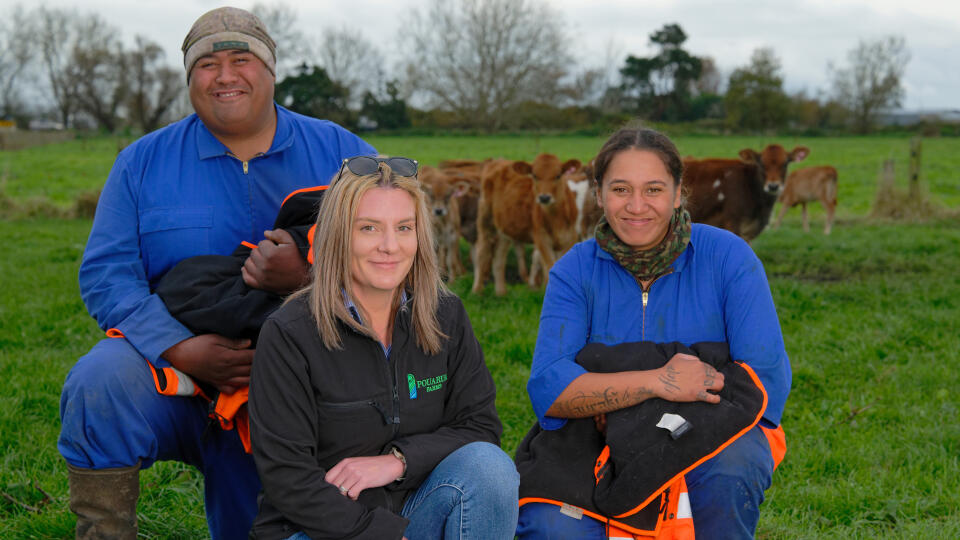
The long game: Farming for future generations
Taking a long-term approach to farming, the five iwi behind Pouarua Farms have reshaped the farm system to better reflect the needs of the whenua, future generations and the realities of farming on peat soils.
On-farm successes:
• 14% reduction in greenhouse gas emissions since 2018
• Up to 100% increase in profitability in some blocks
• 350 fewer cows with improved per-cow production
• Diversified into blueberries, dairy beef and cropping
From the paddock
From the paddock
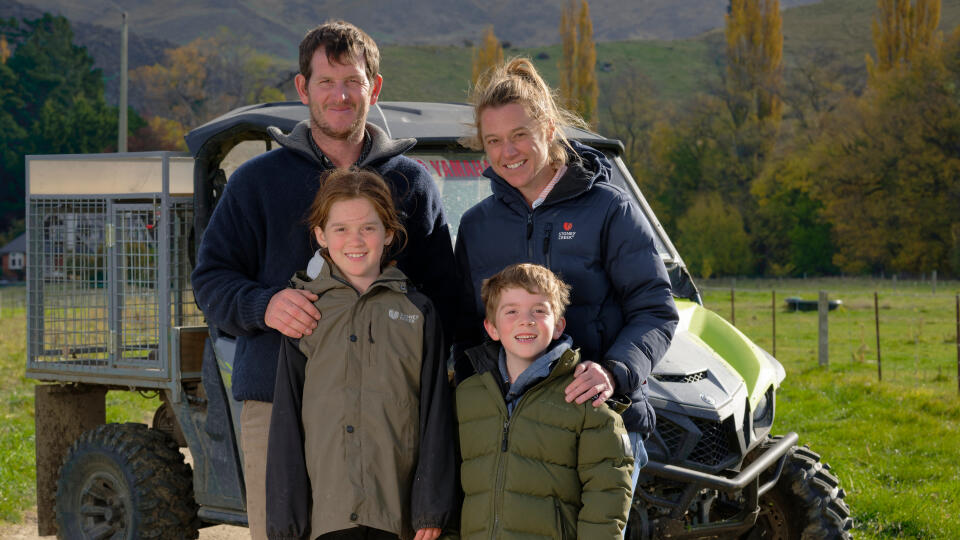
Building resilience in a changing environment
For Emma and Kyle at Puketoi Station in Central Otago, adapting to climate change is less about chasing perfection and more about making practical changes that lighten their impact and future-proof the farm
From the paddock
From the paddock
The long game: Farming for future generations
Taking a long-term approach to farming, the five iwi behind Pouarua Farms have reshaped the farm system to better reflect the needs of the whenua, future generations and the realities of farming on peat soils.
On-farm successes:
• 14% reduction in greenhouse gas emissions since 2018
• Up to 100% increase in profitability in some blocks
• 350 fewer cows with improved per-cow production
• Diversified into blueberries, dairy beef and cropping
From the paddock
From the paddock
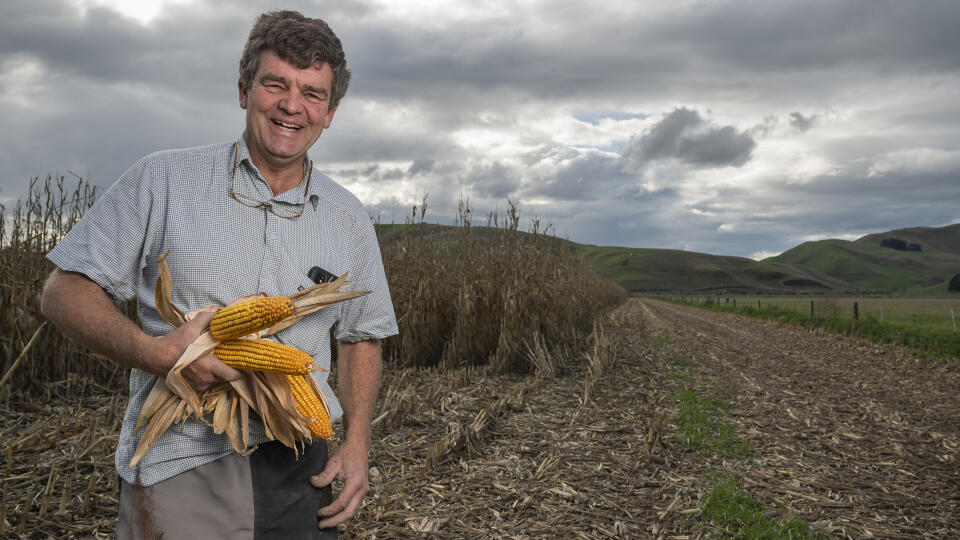
Efficient farming for future sustainability
Hugh Ritchie’s making improvements to efficiency and soil health to keep greenhouse gas emissions down on his Hawke’s Bay farm. Learning from others and trying new ideas is a big part of Hugh’s approach.
On-farm successes:
• Reduced nitrogen fertiliser use
• Finishing livestock faster and to higher weights
• Improved feed and water efficiency
• Active in industry organisations and regional councils
Farmers across New Zealand
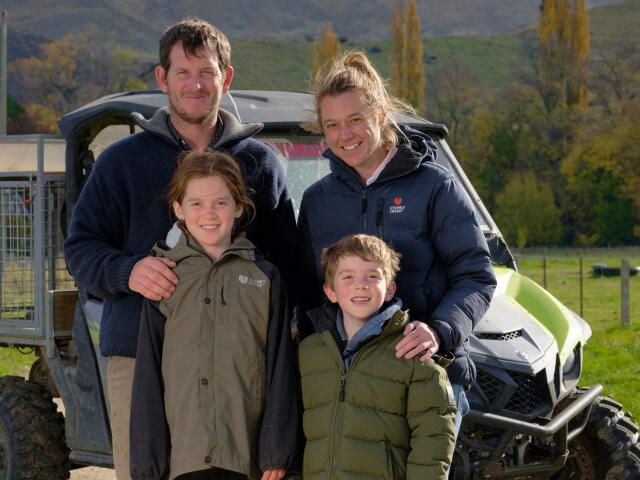
Building resilience in a changing environment
For Emma and Kyle at Puketoi Station in Central Otago, adapting to climate change is less about chasing perfection and more about making practical changes that lighten their impact and future-proof the farm
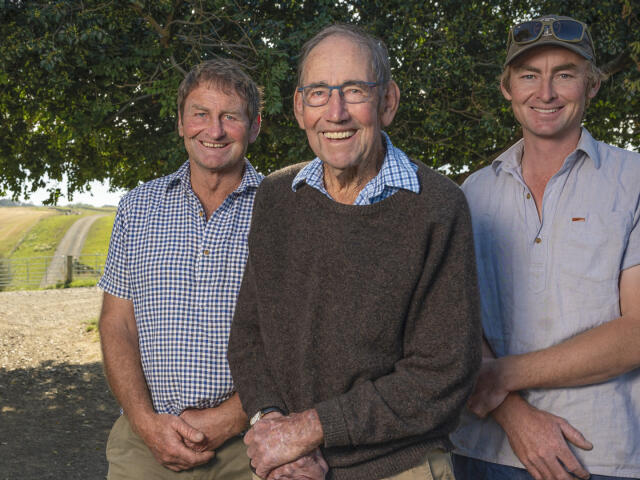
Soil health and innovation focus help reduce emissions
Four generations of the Abbiss family have placed the environment at the heart of farming the heavy soils at Silverton Pastoral. Supporting soil health and using the latest technology is helping them reduce GHG emissions too.
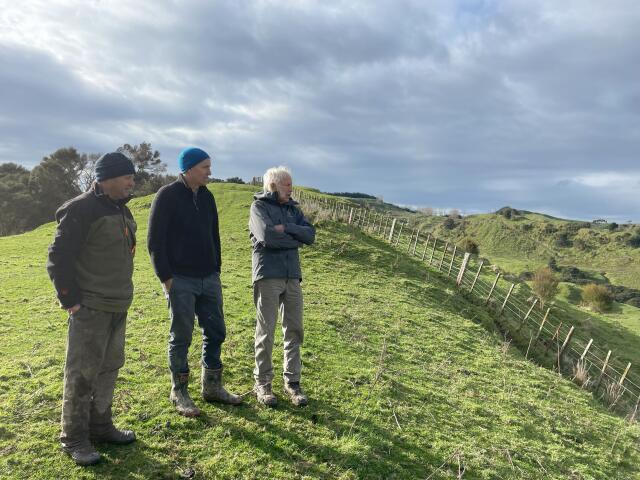
Diversifying for Better Performance and Fewer Emissions
By planting mānuka to produce honey, retiring and replanting unproductive land and optimising their farming systems, the Tripe family is reshaping Oxton Farm for long-term sustainability, both environmental and financial.
Diversifying for Better Performance and Fewer Emissions
By planting mānuka to produce honey, retiring and replanting unproductive land and optimising their farming systems, the Tripe family is reshaping Oxton Farm for long-term sustainability, both environmental and financial.
Soil health and innovation focus help reduce emissions
Four generations of the Abbiss family have placed the environment at the heart of farming the heavy soils at Silverton Pastoral. Supporting soil health and using the latest technology is helping them reduce GHG emissions too.
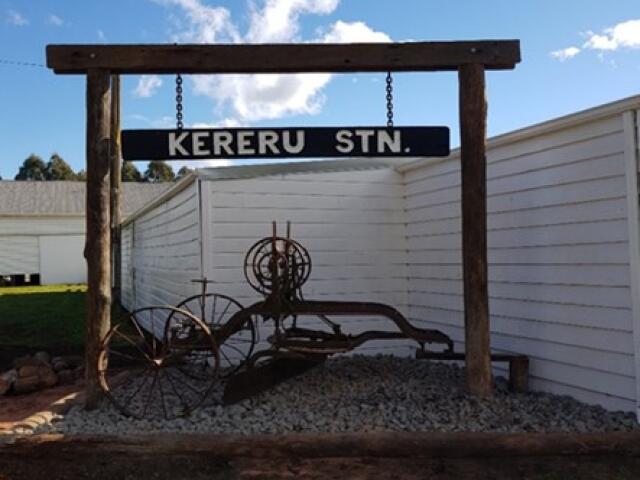
A flexible farm is a more resilient farm
Developing a flexible farming system has helped Kereru Station become more robust, better able to manage droughts and climate change, and continue delivering reliable returns.
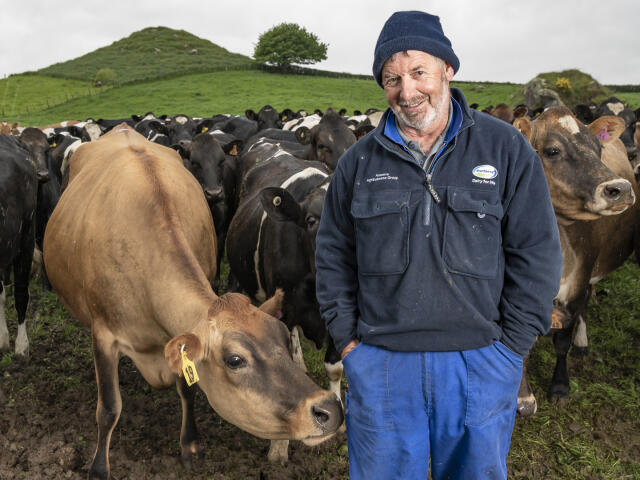
People, planet and profit
George and Sharon Moss use their greenhouse gas numbers, profitability data and science to get their two dairy farms operating as environmentally efficiently as possible while still making a profit.
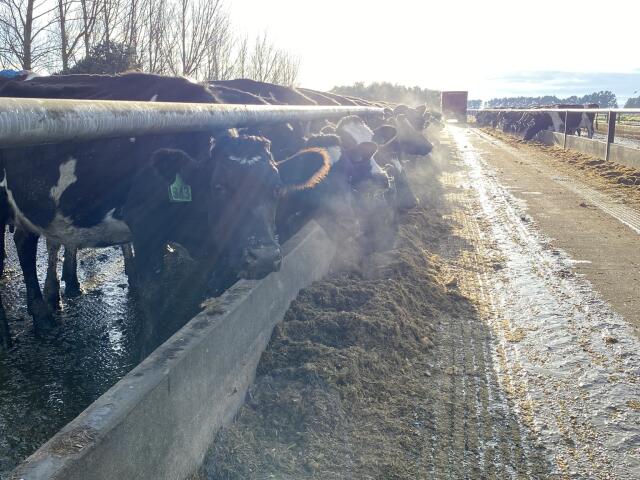
Four small changes across the system. Big gains over time.
By reducing nitrogen fertiliser use, lowering stocking rates, minimising cultivation and investing in precision irrigation and wetlands, Kaiwaiwai Dairies achieved a 14% reduction in greenhouse gas emissions from 2017 to 2023.
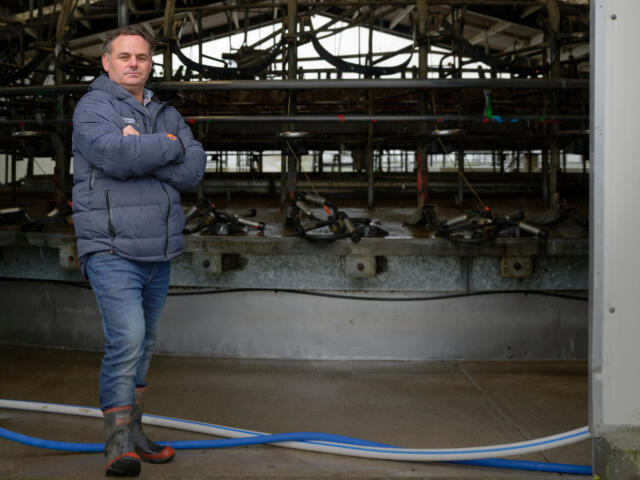
Small efficiency gains that added up to big changes
For Dion Gordon, lower emissions have come from doing the basics well — improving feed utilisation, genetics, reducing imported feed and lowering nitrogen use. The result is a more resilient dairy system that is better prepared for the future.
Soil health and innovation focus help reduce emissions
Four generations of the Abbiss family have placed the environment at the heart of farming the heavy soils at Silverton Pastoral. Supporting soil health and using the latest technology is helping them reduce GHG emissions too.

Farming with whakapapa and the future in mind
At Orete, practical farm changes, lower nitrogen use and diversified land use are helping build a more resilient, lower-emissions future for the whenua, waterways and future generations connected to the land.
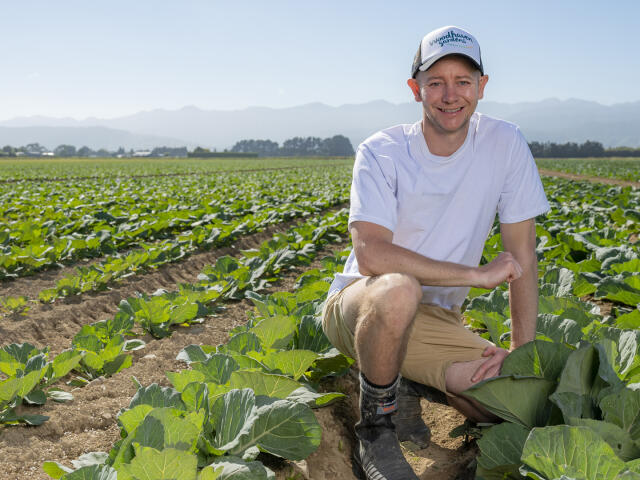
Growing more with less environmental impact
At Woodhaven Gardens, Jay Clarke has nearly halved fertiliser use through precision agriculture, soil testing and improved crop management. The changes have significantly reduced emissions while supporting a more efficient growing system.
Practical goals farmers are exploring
Future-ready farms are finding practical ways to improve performance while reducing agricultural emissions. Across New Zealand, farmers are taking action to build productive, resilient farm systems that respond to climate change.

Animal performance and reducing methane
Many actions that improve animal efficiency can also help reduce methane emissions while supporting productive farm systems.
Learn more
Nitrogen use and nitrous oxide
Using nitrogen efficiently can help reduce nitrous oxide emissions while supporting productivity and input efficiency.
Learn more
Soil health and carbon
Healthy soils support pasture resilience, productivity and long-term farm performance. Research is helping build understanding of what works under NZ conditions.
Learn moreUnderstanding your farm’s emissions – without the jargon
Build a clearer picture of the greenhouse gas emissions linked to your farm system, including stock, feed and fertiliser inputs, with this handy emissions calculator.
Not sure where to start?
- Get your head around climate change basics first
- Understand where emissions come from on your farm
- Or jump straight into the emissions calculator.
Stay up to date
Sign up and we’ll keep you posted with practical tools, real farm stories and the latest science straight to your inbox.